Which Type of Loft Conversion Is Right for Your Home?
The most suitable loft conversion depends on your roof’s shape, the available headroom, the rooms you want to create and any planning constraints. Different properties need different approaches, so the starting point is understanding what your existing loft can accommodate.
Velux and Rooflight Loft Conversions
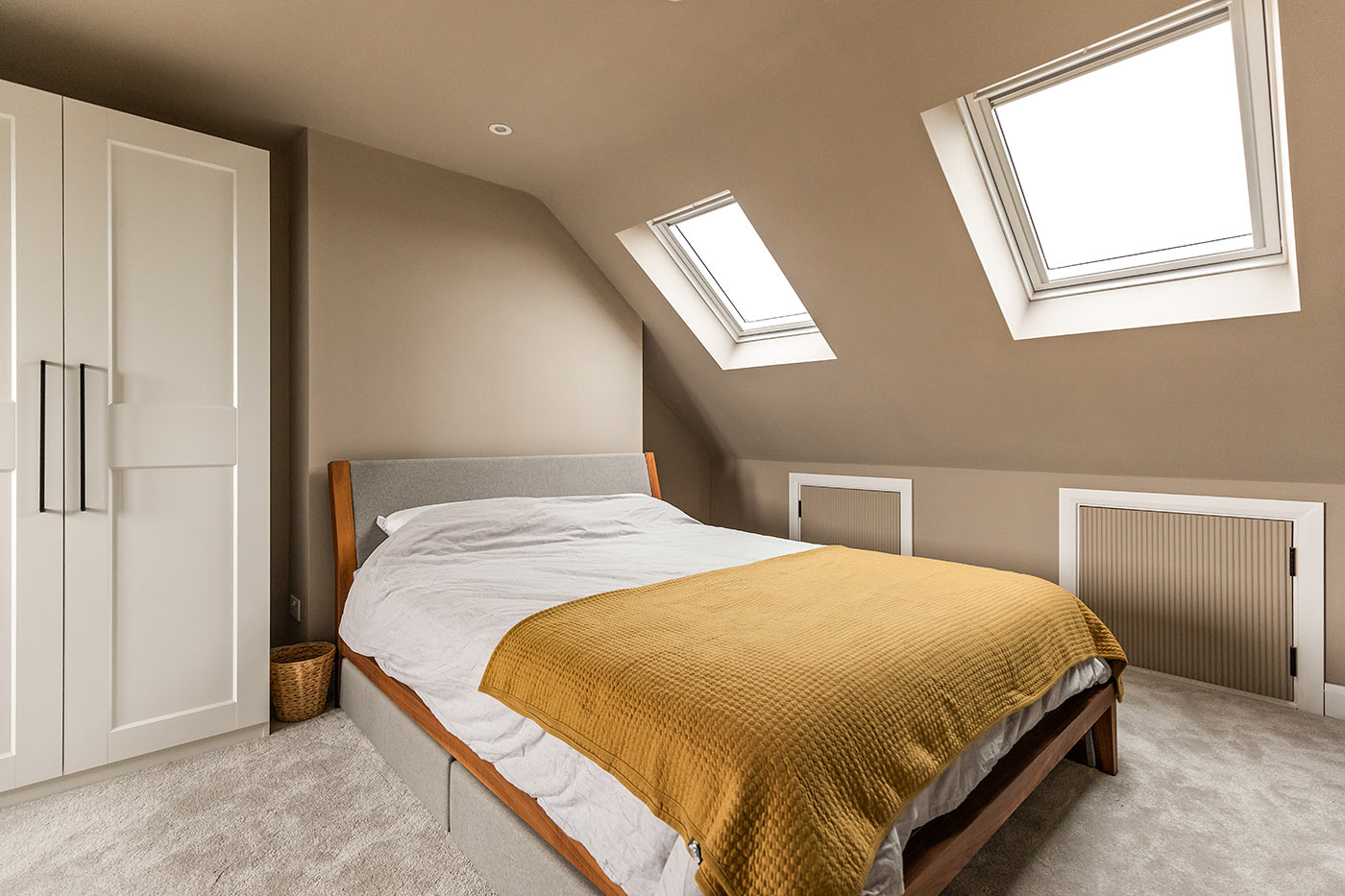
A rooflight conversion makes use of the existing loft without enlarging the roof profile. Roof windows introduce natural light while retaining the character of the sloping ceilings. This can be a suitable approach where the roof already provides enough space and headroom for the proposed rooms.
Dormer Loft Conversions
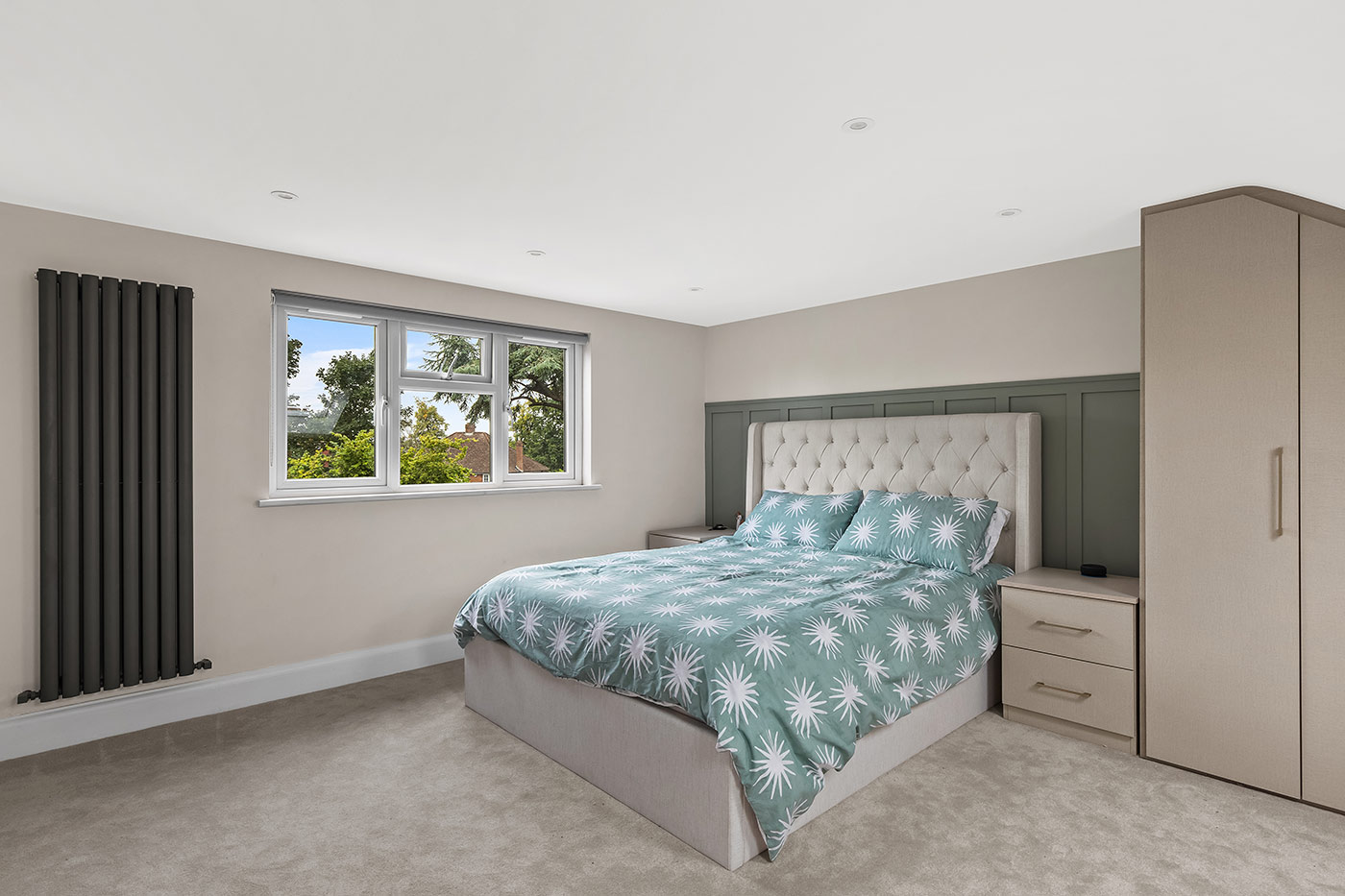
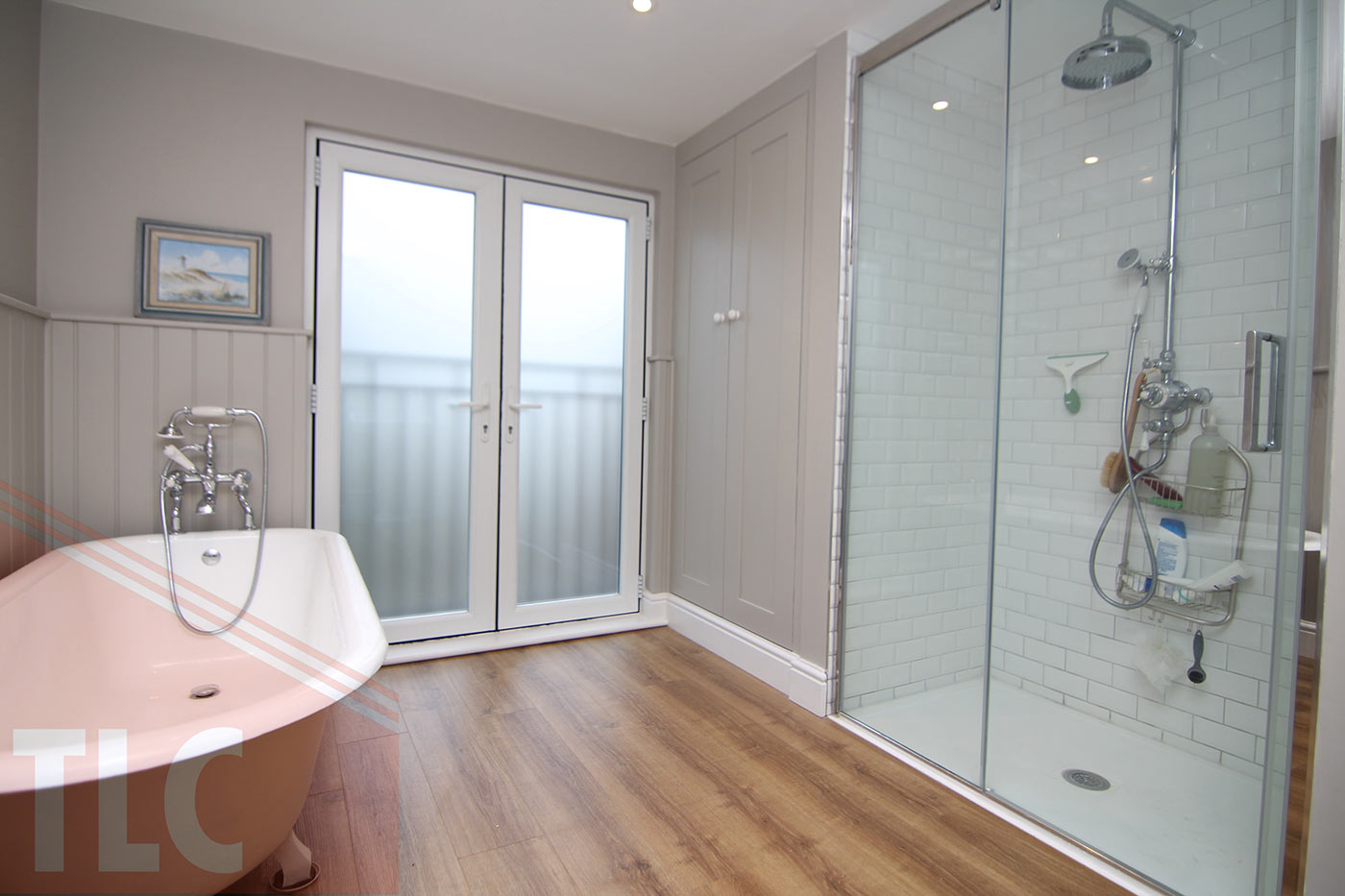
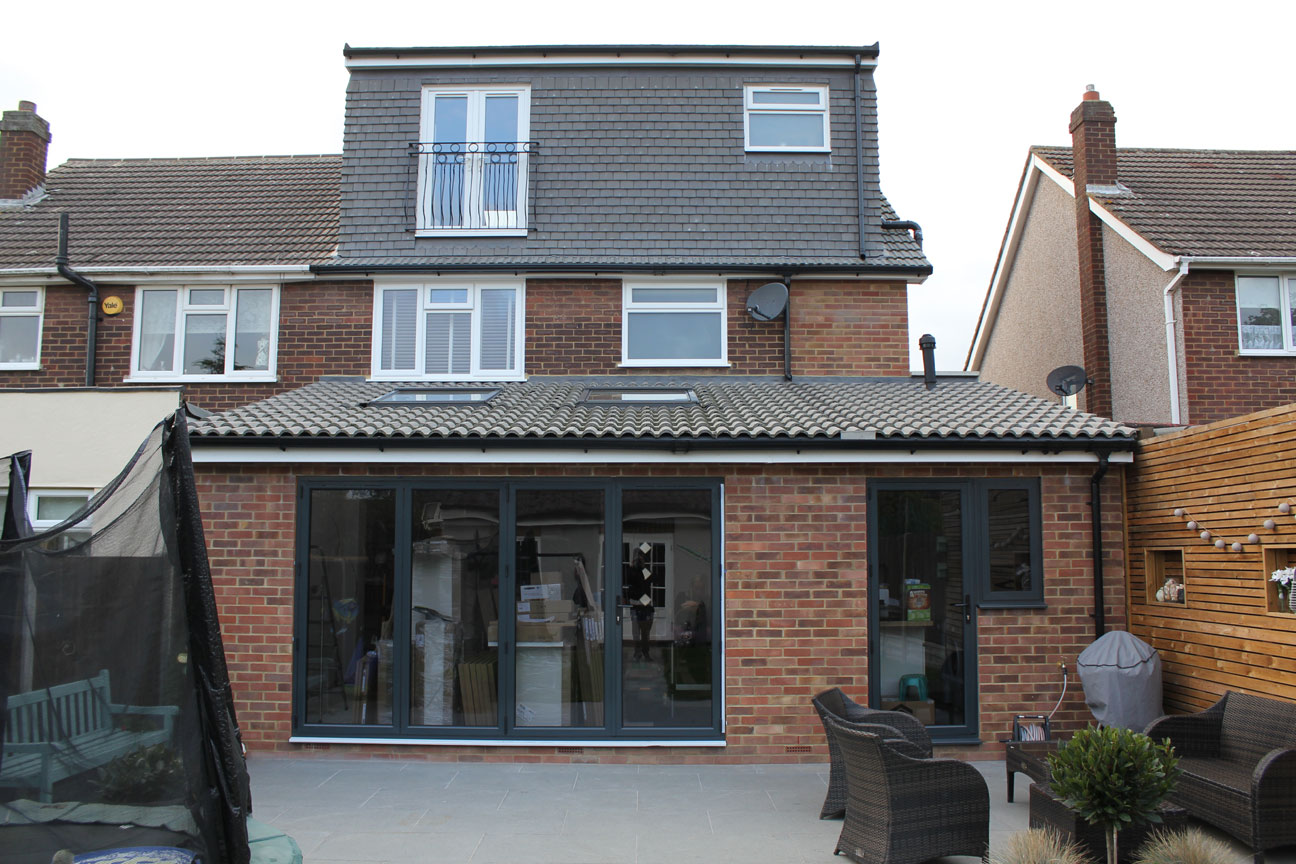
A dormer extends out from the existing roof to create additional headroom and usable floor space. Its vertical walls can make it easier to arrange furniture and plan a practical bedroom, bathroom or workspace, particularly where the original roof slopes limit the layout.
Hip-to-Gable Loft Conversions
A hip-to-gable conversion replaces a sloping end of the roof with a vertical gable wall, increasing the space inside. This can suit semi-detached and detached homes with hipped roofs and may be combined with a rear dormer, as demonstrated by our Watford project.
L-shaped Loft Conversions
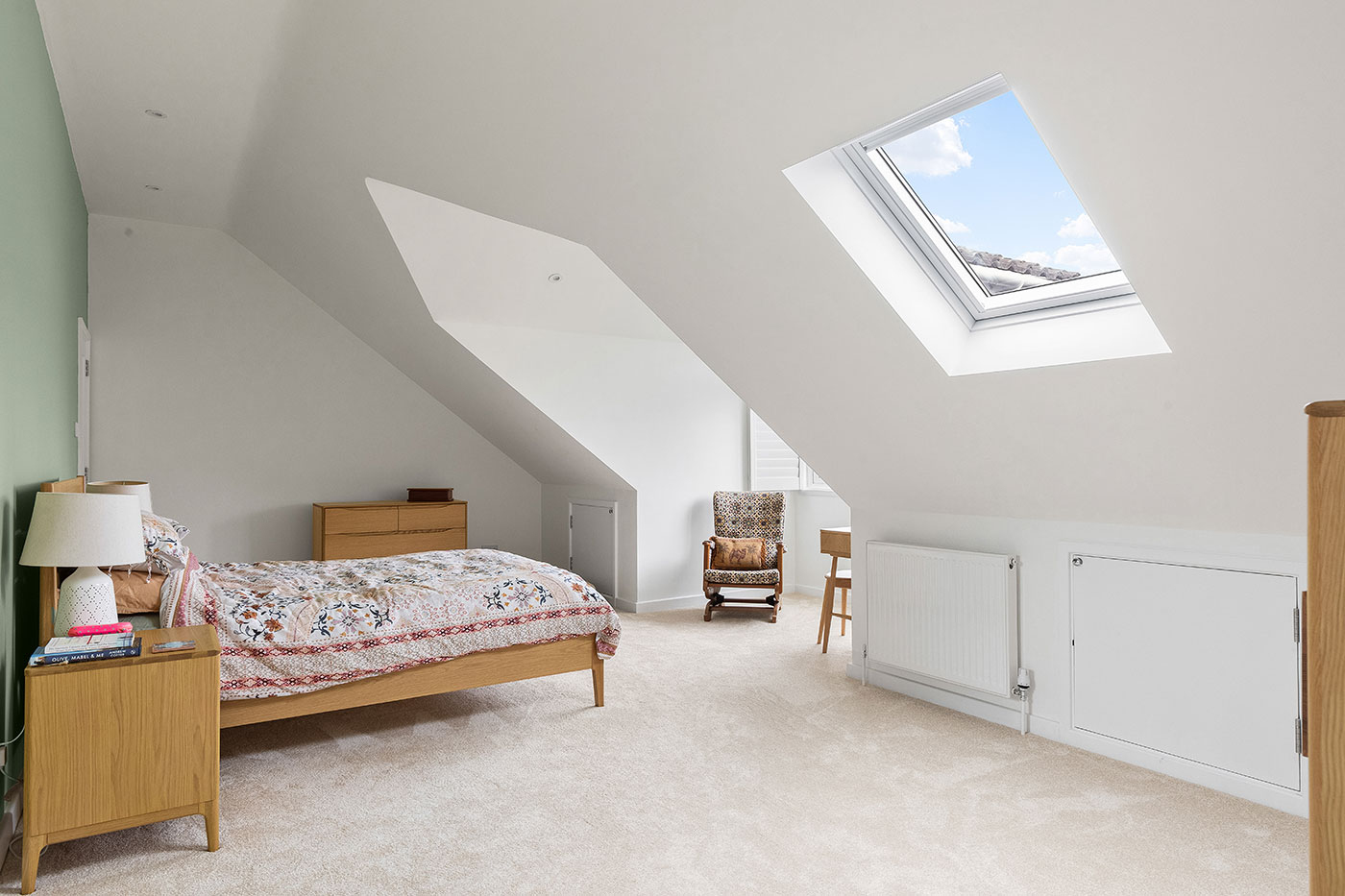
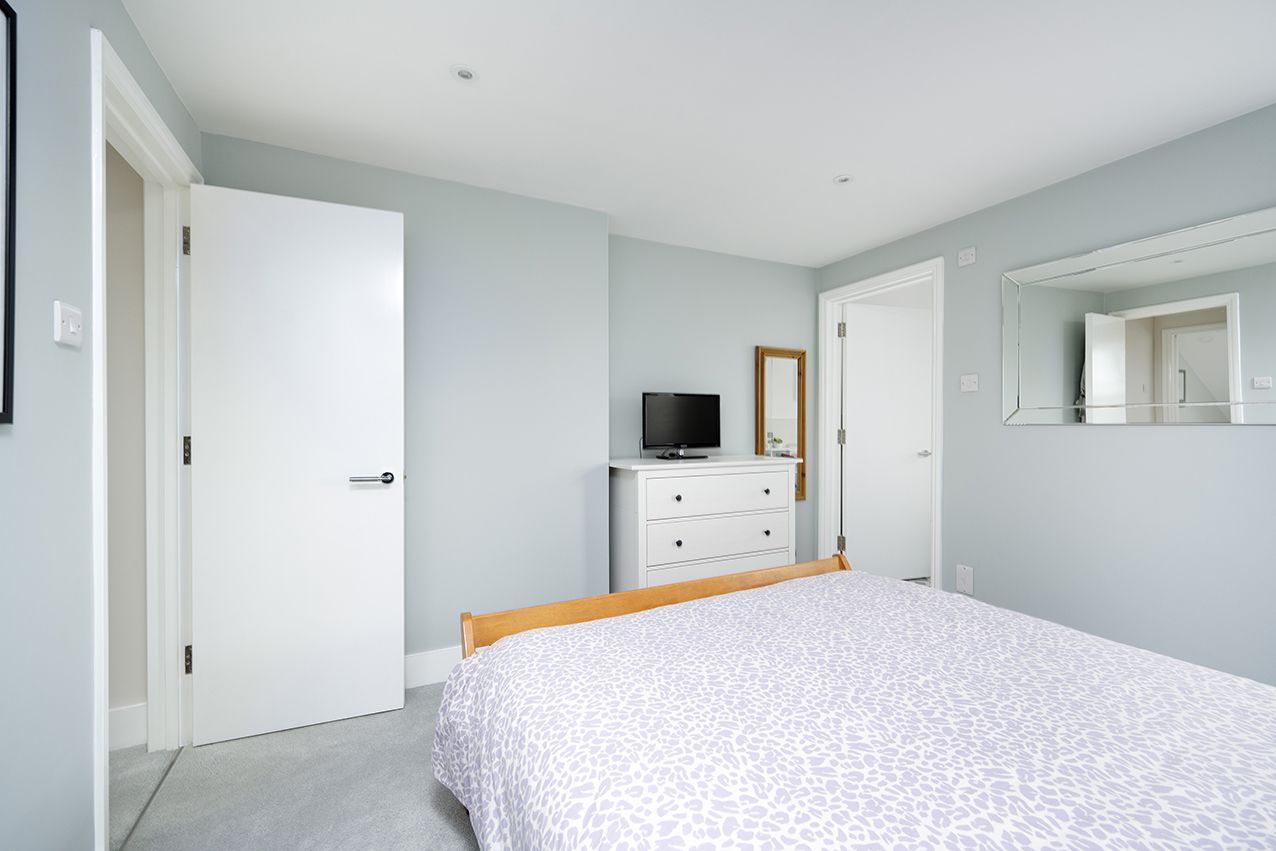
An L-shaped conversion can offer a flexible layout where the property’s roof arrangement allows it. The additional space may accommodate a main bedroom, en-suite and storage, or a combination of bedroom and office space. Our Bishop’s Stortford and St Albans projects show different ways this approach can work.
Mansard Loft Conversions
A mansard conversion substantially reshapes the roof, using steeply sloping sides and a flatter upper section to create more internal space. It is an option to explore where a more extensive roof alteration is appropriate, subject to the property’s structure and planning requirements.